










The objective is to keep your organization competitive, relevant, and flexible in response to changing market trends, customer needs, and regulatory demands. Such transformations are usually extensive and may require a thorough review of your company’s operational strategies.
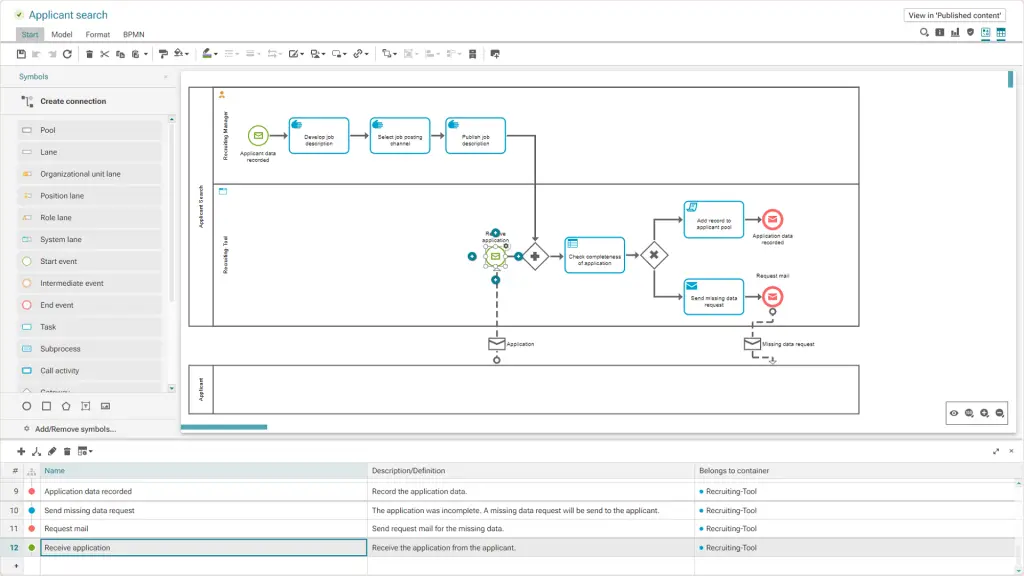
Conduct a comprehensive analysis of current business processes, workflows, and systems to identify inefficiencies, bottlenecks, and pain points.
Evaluate and rank identified improvement opportunities based on factors such as business impact, implementation complexity, resource requirements, and strategic alignment.
Generate creative and innovative approaches to address the prioritized process challenge through collaborative ideation sessions.
Design and implement the optimized future-state process by creating detailed workflows, defining new roles and responsibilities, establishing performance metrics, and deploying necessary tools or systems.
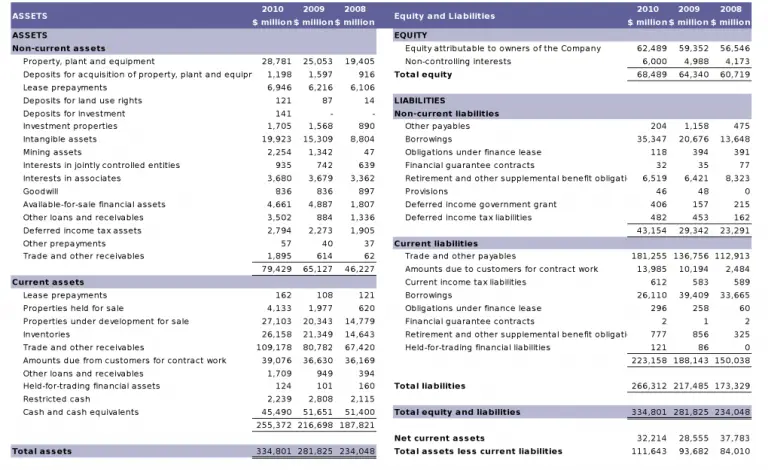
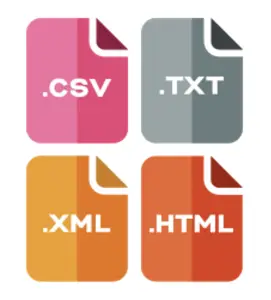
Generate tailored analytical reports and dashboards that can be exported in various formats (PDF, Excel, CSV, etc.) to meet specific stakeholder needs. This feature allows users to create personalized views of process data, performance metrics, and operational insights, enabling informed decision-making across different organizational levels and departments.
Provide expert assistance and troubleshooting services through remote access capabilities, ensuring minimal downtime and rapid issue resolution. This service includes system diagnostics, configuration adjustments, user guidance, and problem-solving support delivered virtually, allowing organizations to maintain optimal BPM software.
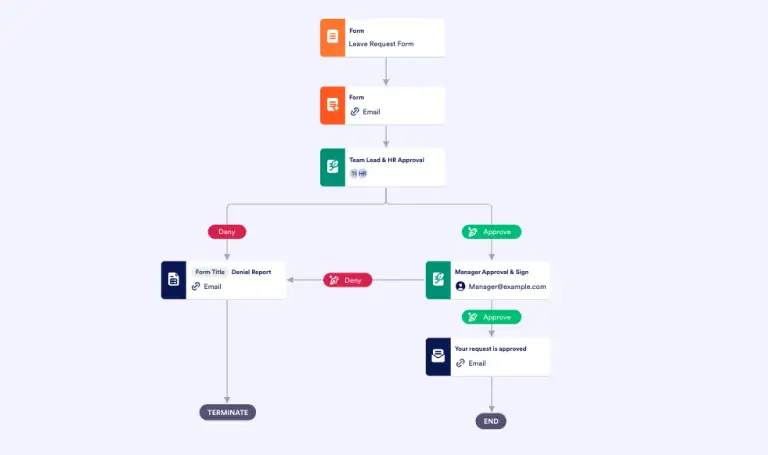
Streamline and digitize business processes by automatically routing tasks, triggering actions, and managing approvals based on predefined rules and conditions. This capability eliminates manual handoffs, reduces processing time, ensures consistency in execution, and enables straight-through processing for routine activities while maintaining proper governance controls.
Monitor and analyze process performance through real-time key performance indicators, trend analysis, and predictive analytics. This functionality provides visibility into process efficiency, bottlenecks, compliance levels, and improvement opportunities, enabling data-driven optimization decisions and continuous process enhancement.
Facilitate seamless data migration and integration by supporting various file formats and protocols for importing existing information and exporting processed data. This capability ensures business continuity during system transitions, enables data sharing with external systems, and supports backup and archival requirements.
Connect BPM software with existing enterprise applications, databases, and third-party tools through APIs, web services, and middleware solutions. This integration capability creates a unified technology ecosystem, eliminates data silos, and enables end-to-end process automation across multiple systems and platforms.
Manage the deployment, configuration, and maintenance of BPM software across development, testing, and production environments. This service includes initial setup, version upgrades, patch management, environment synchronization, and ensuring optimal system performance while minimizing disruption to business operations.
Provide expert advisory services and strategic guidance tailored to specific business process challenges and organizational objectives. This consultancy offering includes process redesign recommendations, best practice implementation, change management support, and customized training to maximize the value and adoption of BPM initiatives.
Got questions? Ideas? Fill out the form below & our specialist will contact you.